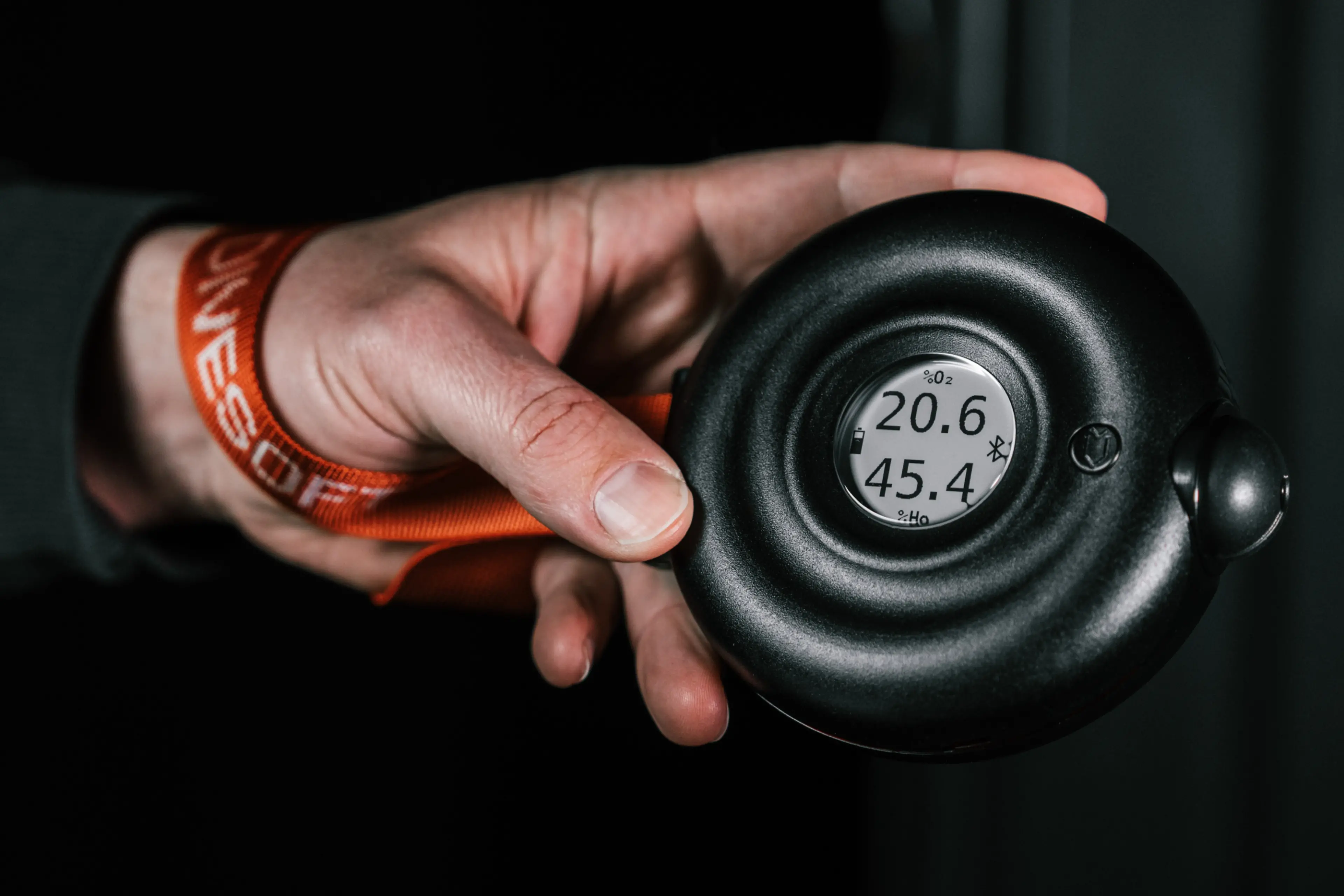
Precision Gas Analysis.
Zero Compromise.
Available now.
Discover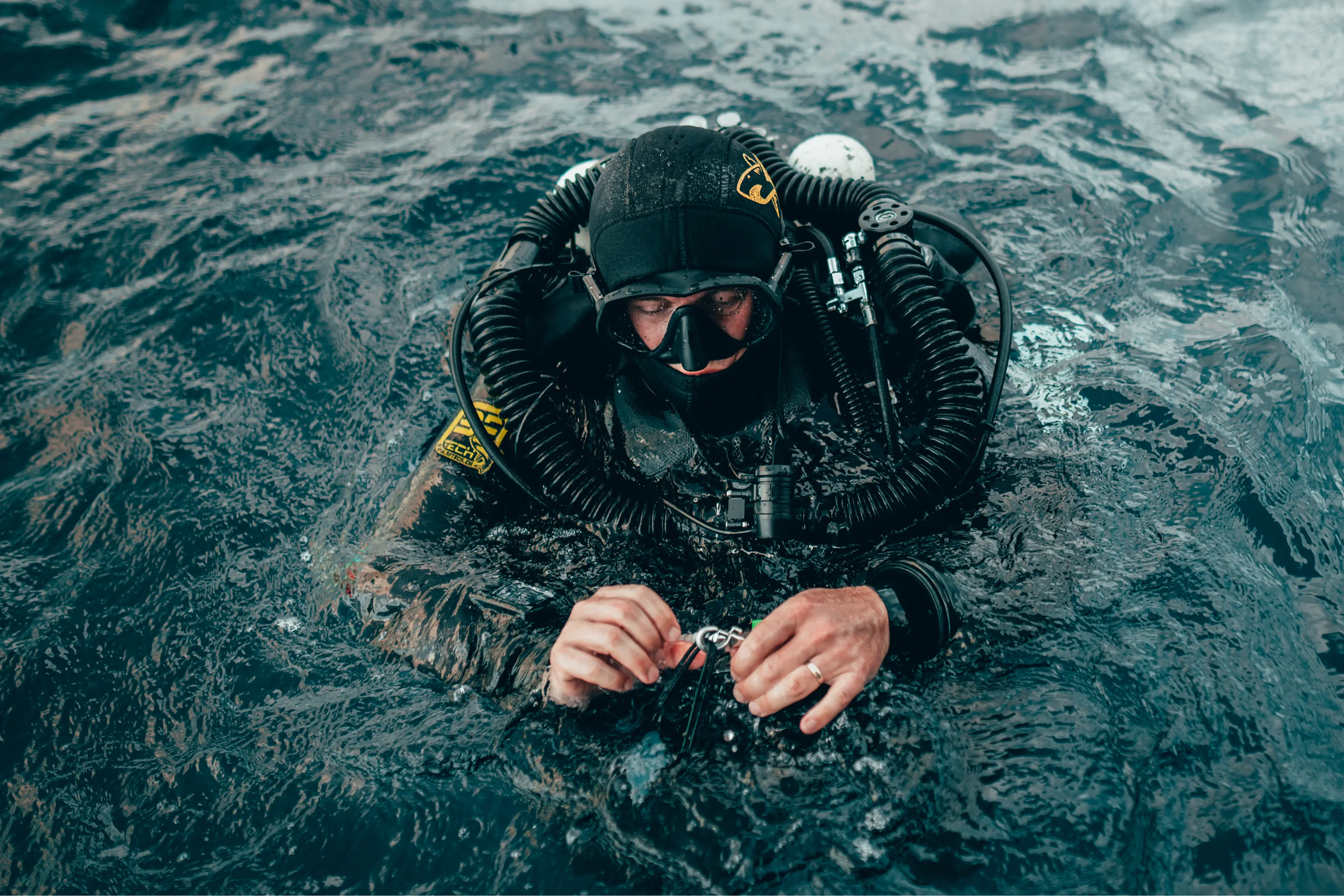
Built for the Depths.
Trusted by Divers Worldwide.
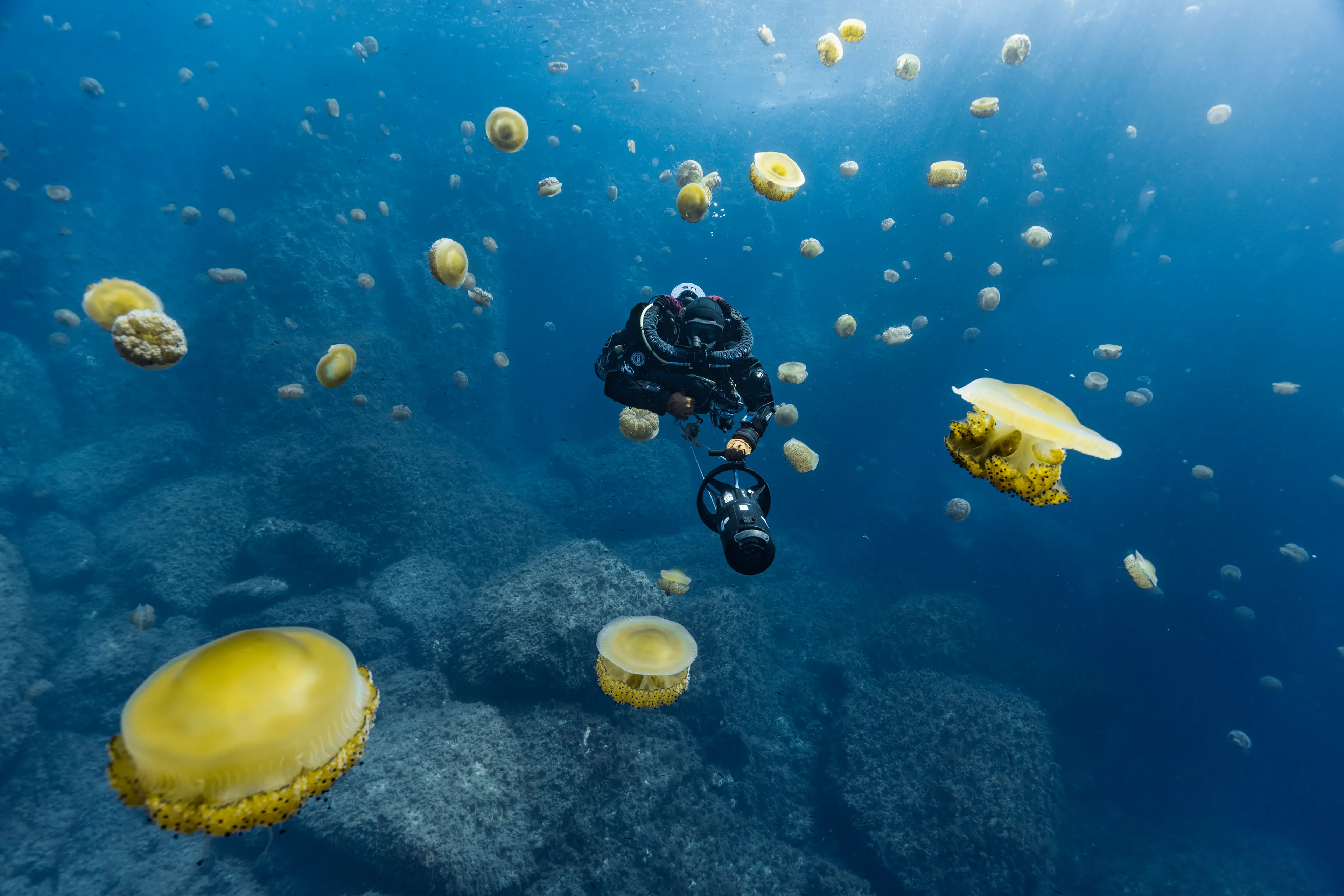
Built for the Depths.
Trusted by Divers Worldwide.
Divesoft rebreathers, analyzers and computers — reliable gear for divers exploring and growing safely underwater.
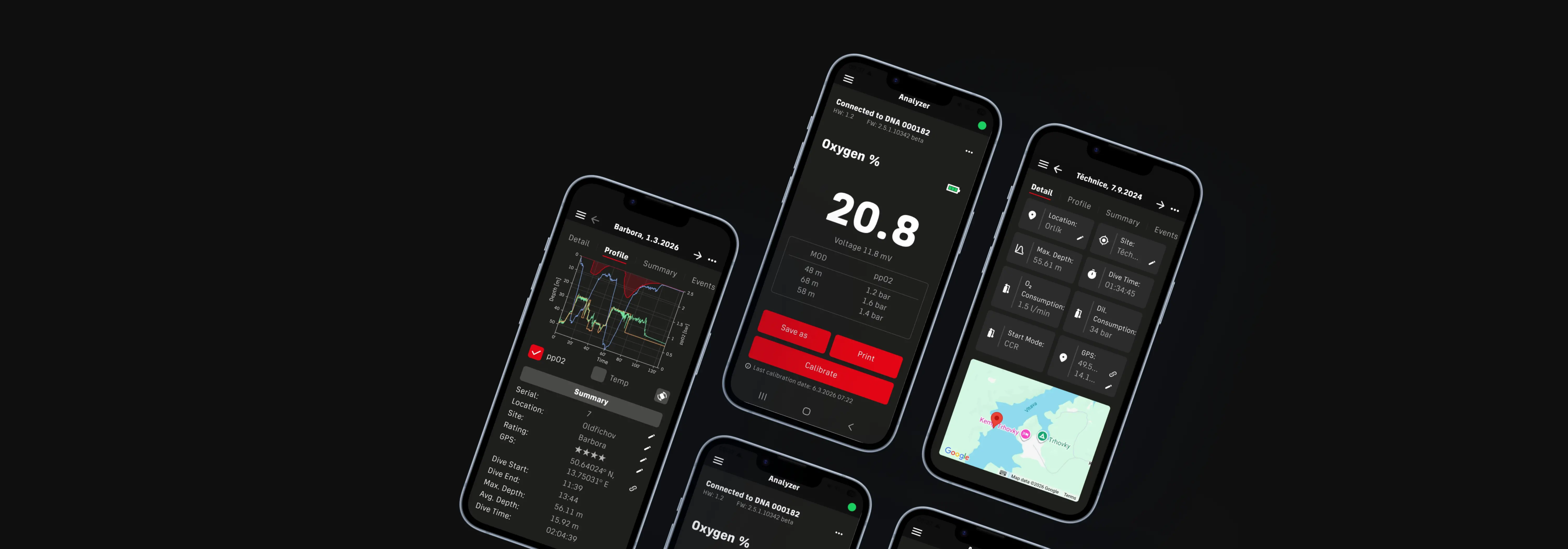
DIVESOFT.APP
One System for Everything

ECHO
Know Before You Dive

LIBERTY
Reliability Designed for Every Dive
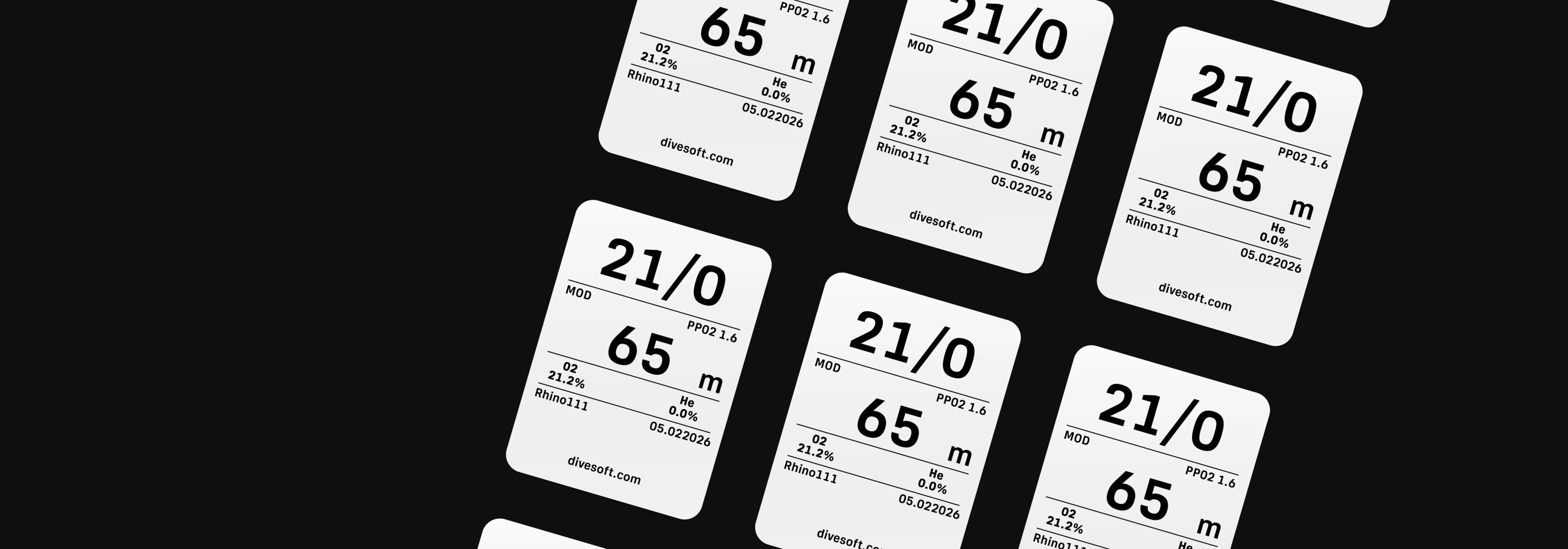
LABEL PRINTING
Gas Mix Clearly Marked
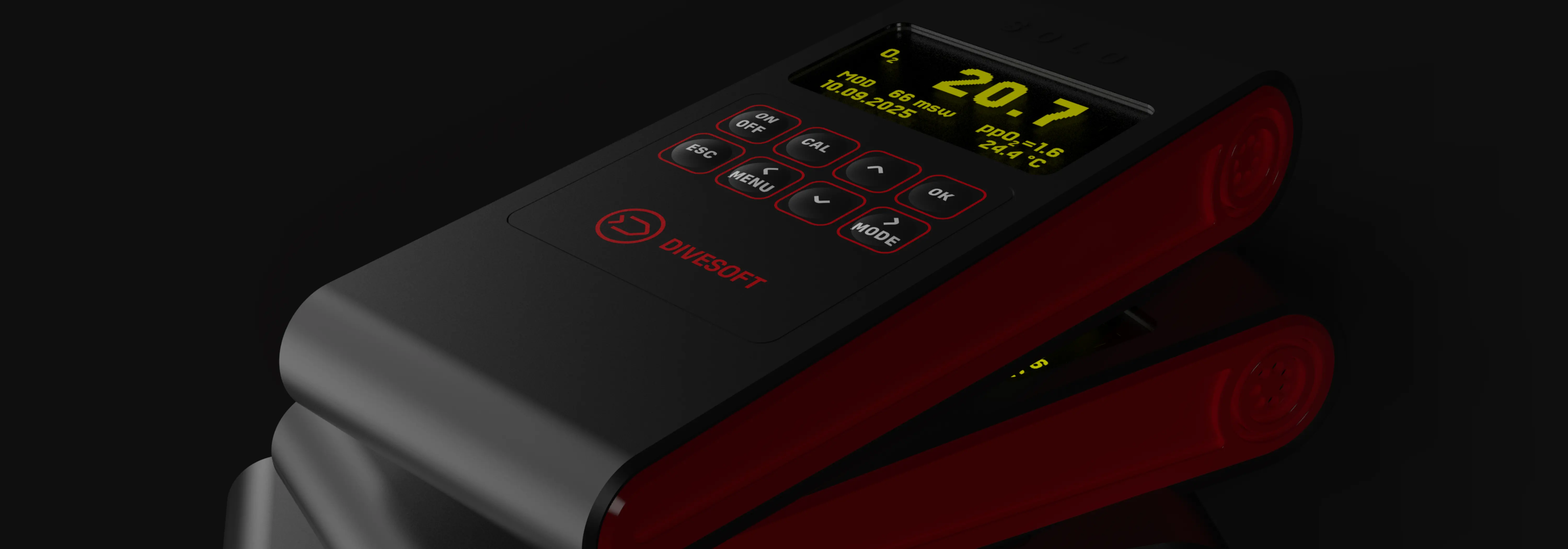
SOLO
Every Breath Measured with Trust
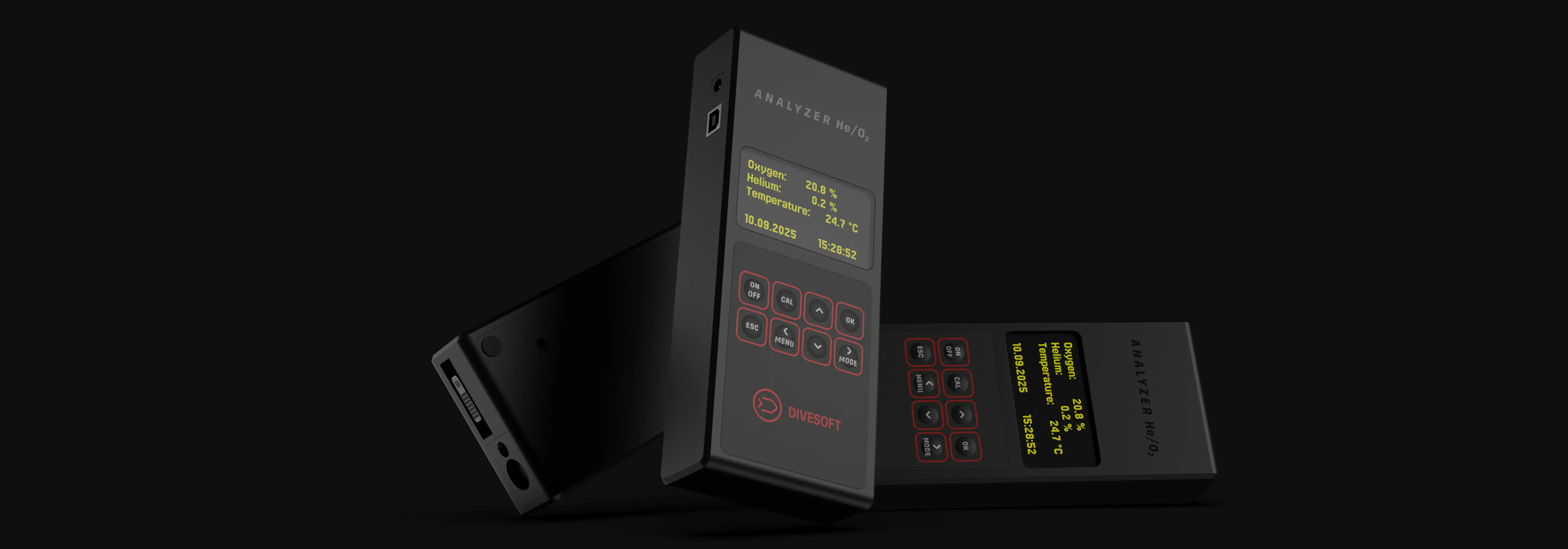
He/O2 ANALYZER
Proven and Trusted
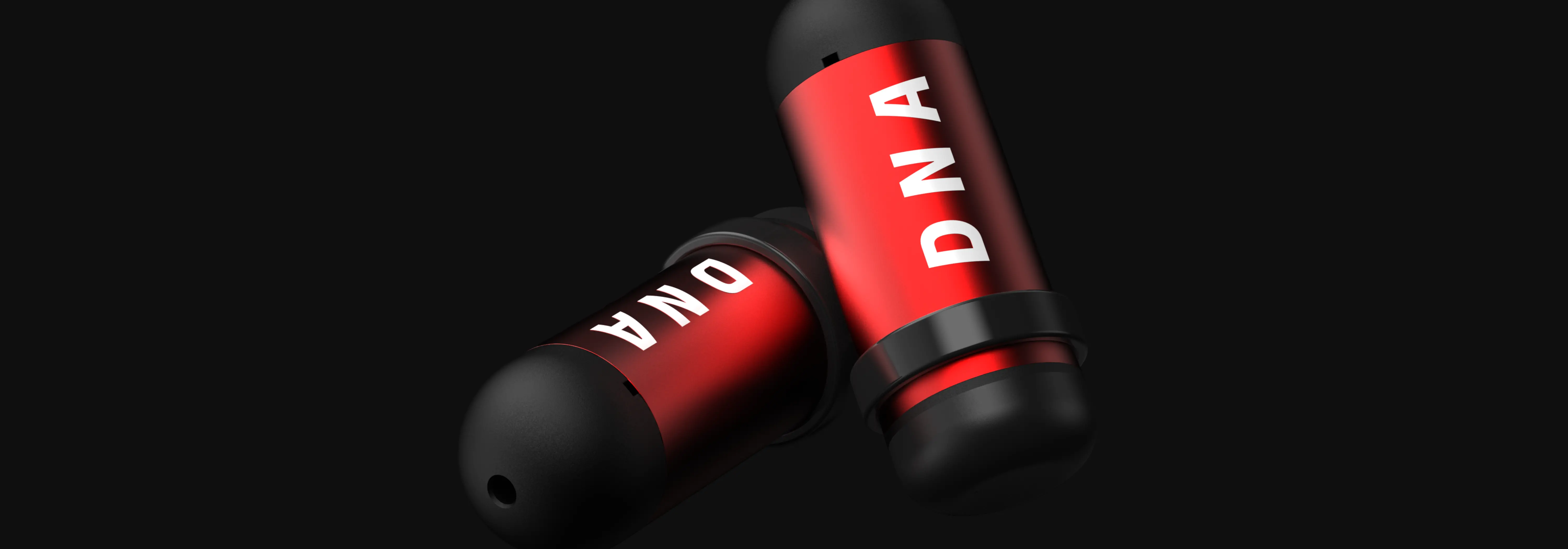
DNA
Compact Nitrox Analyzer with Accuracy
Discover the numbers behind our trust.
0Compromise
Safety-critical design, verified at every step.
0+Countries
Our gear supports divers across oceans and communities.
0+years
Experience in precision engineering for diving.
Dive into more stories
Our community grows through shared knowledge, support and safe exploration—helping divers improve skills and enjoy diving more.
BlogDive into more stories
Our community grows through shared knowledge, support and safe exploration—helping divers improve skills and enjoy diving more.
Blog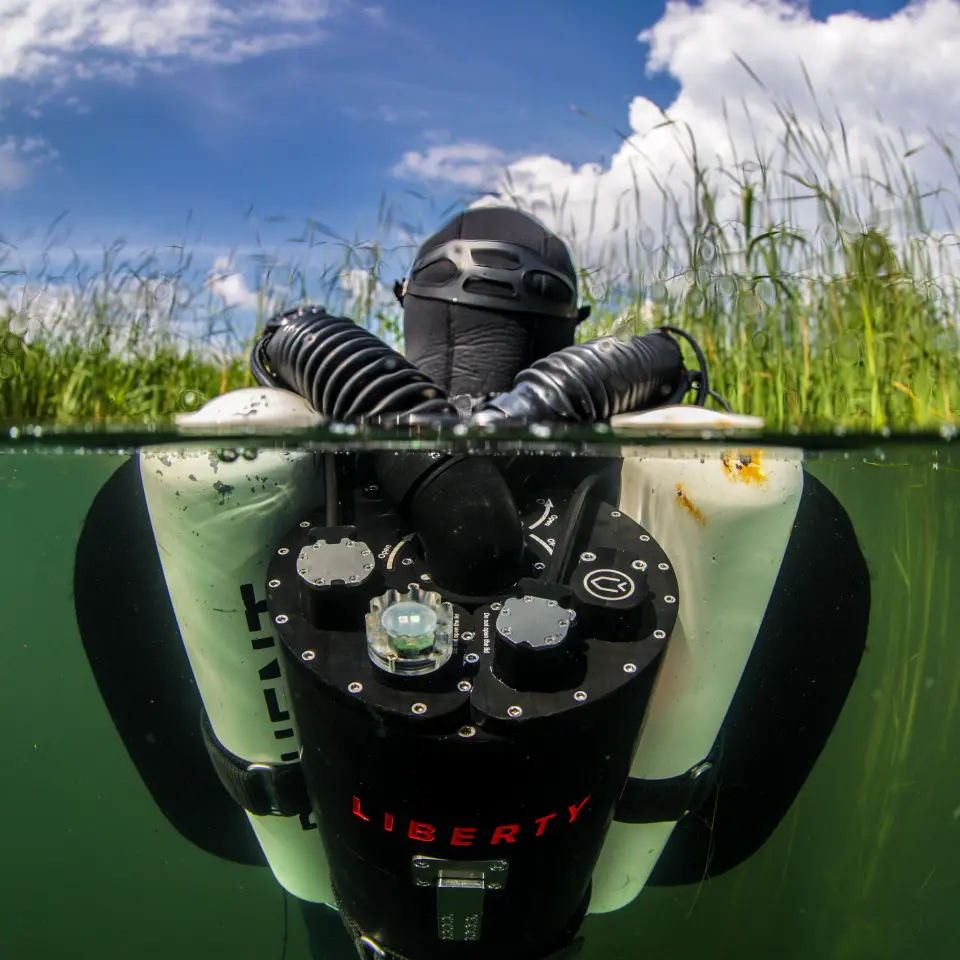
Why Professional Divers Choose the Liberty CCR: When Simple Isn't Enough
A Liberty CCR may look complex at first glance. Four oxygen sensors. Dual controllers. Multiple displays. Redundant systems throughout the unit.\nFor some divers, that raises an immediate question:\n\n"Isn't that overengineered?"
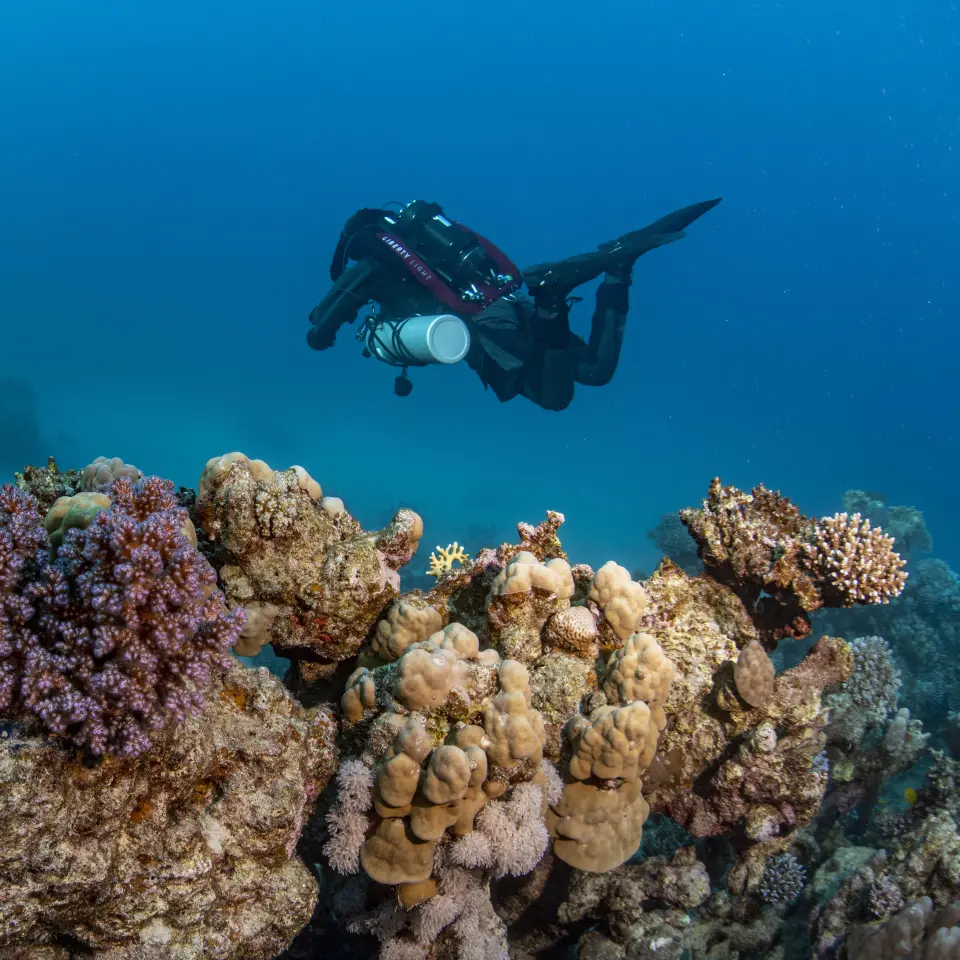
PO₂ Limits 1.4 / 1.6: When to Use Which and Why
Is 1.6 PO₂ safe? Should you always stay below 1.4? And why do so many experienced divers still use both limits depending on the dive phase?
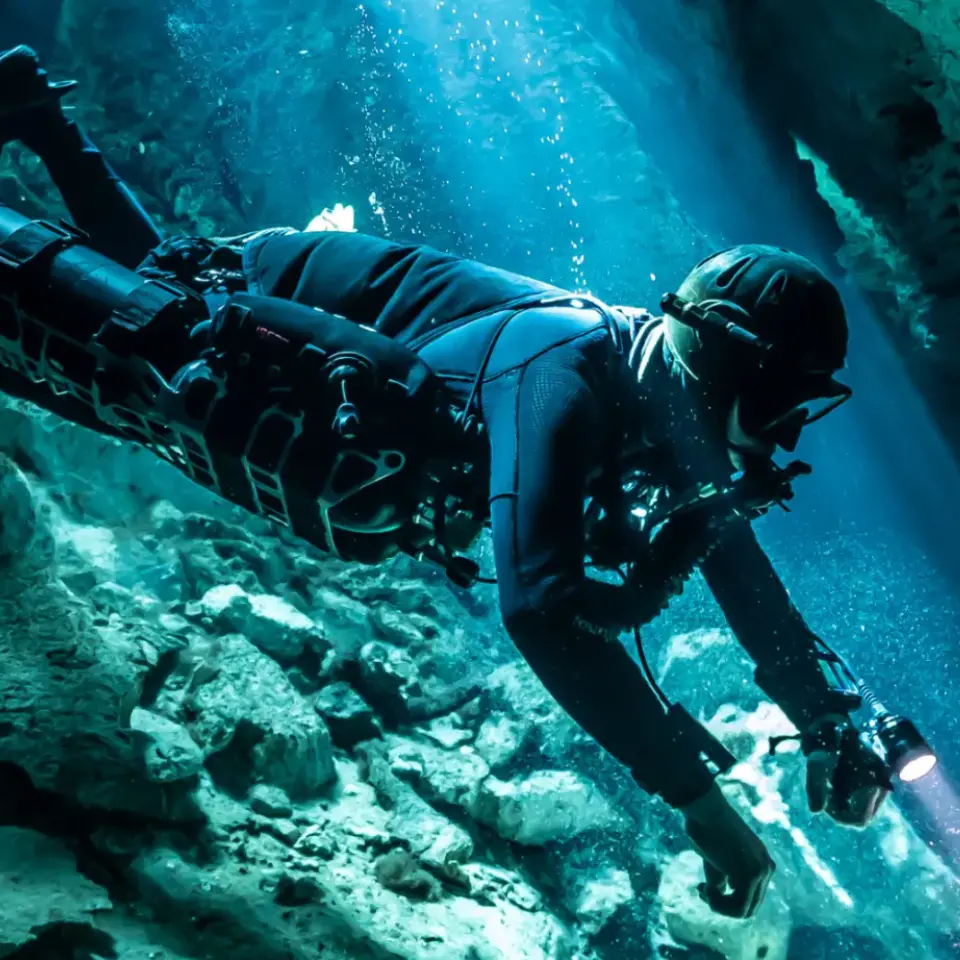
END 30 m as a Standard: What It Really Means for Trimix Gas Selection
An END of 30 meters has become a common benchmark in technical diving, but applying it in practice is not always straightforward. Gas selection involves balancing narcosis, oxygen exposure, gas density, and the actual conditions of the dive, not just hitting a single number. This article looks at how the 30 m END guideline is used in real-world trimix planning and what divers should consider when choosing a breathing mix for deeper dives
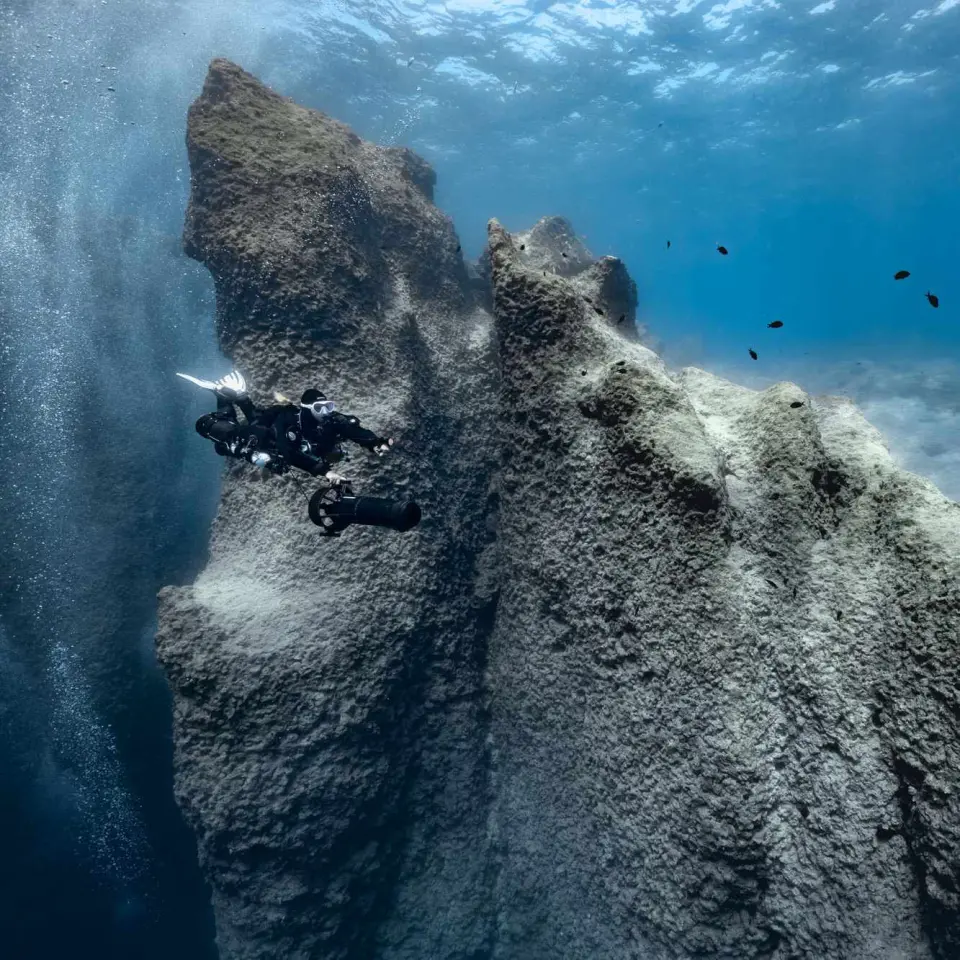
CO/CO₂ in the Breathing Gas: Sources of Contamination and How to Detect It
Breathing gas can look, taste, and smell perfectly fine—and still be dangerous. Carbon monoxide (CO) and carbon dioxide (CO₂) are invisible threats that become far more serious at depth. In this guide, you’ll learn where contamination comes from, how it affects your body underwater, and—most importantly—a practical inspection procedure you can apply before your next dive.
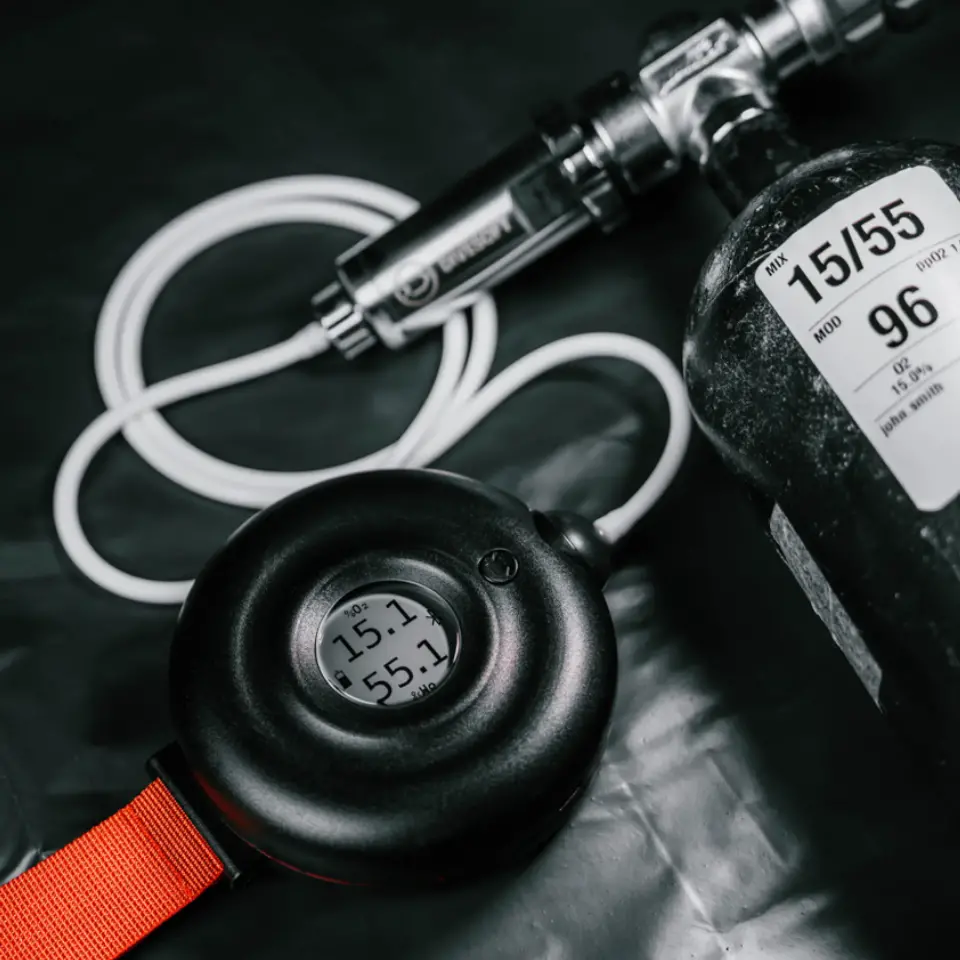
Why Divers Analyze Their Gas Before Every Dive | ECHO Gas Analyzer
Before every dive, experienced divers take a moment to analyze their gas. This simple habit ensures safety, confirms the exact breathing mix, and prevents costly mistakes. Discover why gas analysis matters and how modern tools like the ECHO analyzer are changing the process.

Wrong Gas in Diving: The Small Checks That Prevent Big Problems
Most dives start with a familiar routine. Divers prepare their equipment, check their cylinders, and review the dive plan one more time before getting into the water. Somewhere during those final checks, the breathing gas gets analyzed too. The process itself takes only a moment, but experienced divers know very well that breathing the wrong gas underwater is not something to take lightly.