Wrong Gas in Diving: The Small Checks That Prevent Big Problems
04/07/2026
Most dives start with a familiar routine. Divers prepare their equipment, check their cylinders, and review the dive plan one more time before getting into the water. Somewhere during those final checks, the breathing gas gets analyzed too. The process itself takes only a moment, but experienced divers know very well that breathing the wrong gas underwater is not something to take lightly.
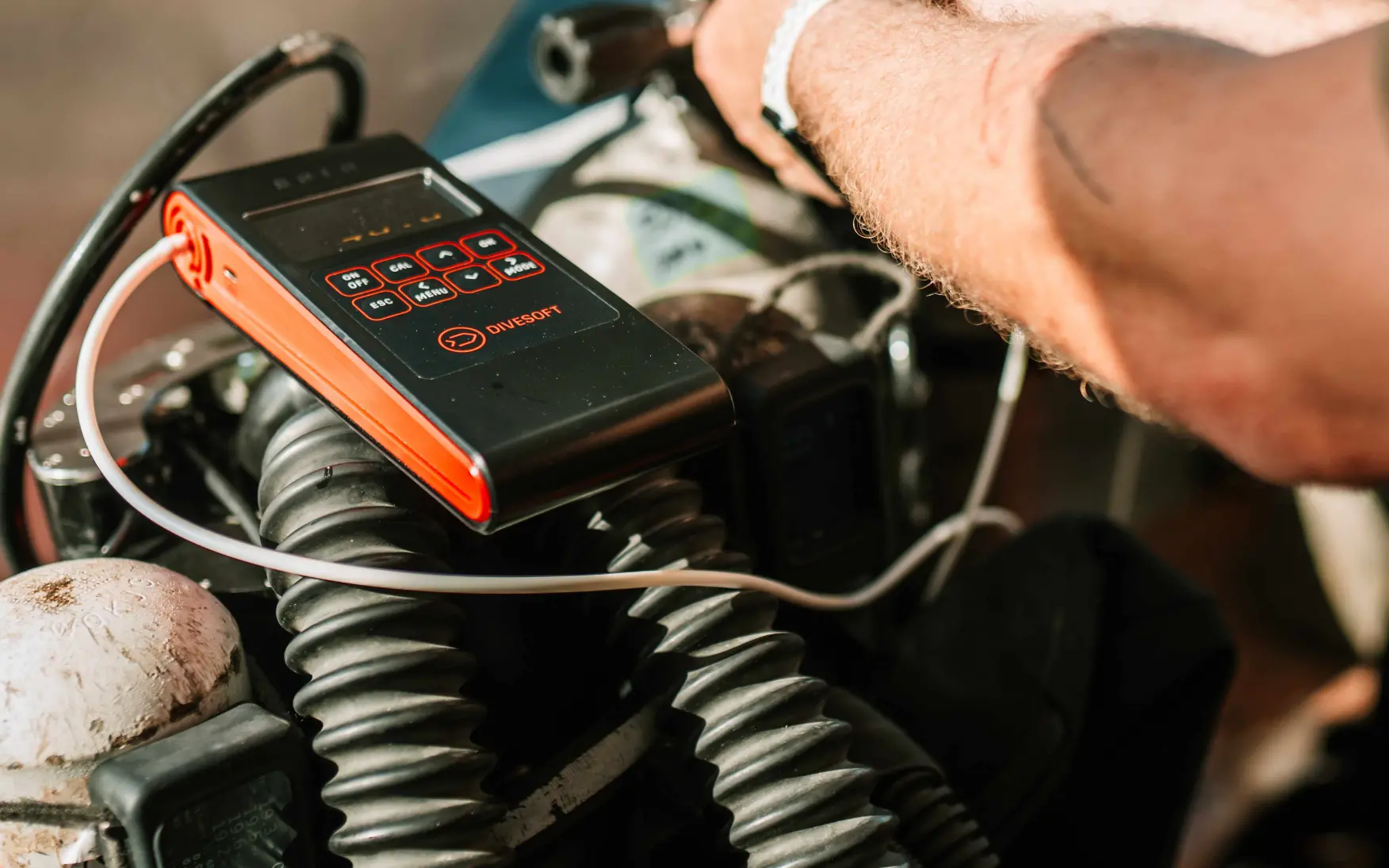
On a busy dive boat, gas analysis usually happens quietly.
Somebody checks a cylinder, writes down a number on a piece of tape, clips the stage bottle back into place, and moves on. Most of the time, nobody thinks much about it.
But experienced divers know those small checks matter.
Because underwater, problems involving breathing gas rarely start with one dramatic failure. More often, they begin with smaller mistakes that seemed harmless at the surface.
Dive preparation usually follows the same rhythm. Equipment is spread out, cylinders are standing nearby, and dive computers are already configured for the planned depth and gas mix. Before anybody enters the water, divers go through one final check of both equipment and breathing gas.
For many divers, gas analysis no longer feels like a separate task. It simply belongs to the preparation process.
- Check the cylinder.
- Confirm the mix.
- Label the tank.
- Continue setting up the dive.
Straightforward steps, repeated before every dive for a reason.
What Divers Mean by “Wrong Gas”
Among divers, the phrase “wrong gas” usually describes situations where somebody ends up breathing a gas different from the one planned for that stage of the dive.
In recreational diving, this may involve an incorrect nitrox mix. In technical diving, the situation can become far more serious, especially if a diver switches to the wrong decompression gas or breathes a travel gas deeper than intended.
What makes these incidents particularly difficult is the fact that the cylinder itself may still be filled correctly. Problems often appear later during labeling, dive preparation, gas switching, or simple confusion underwater.
As dives become deeper and more equipment gets added to the dive, keeping track of breathing gas becomes increasingly important.
How Wrong Gas Accidents Usually Happen
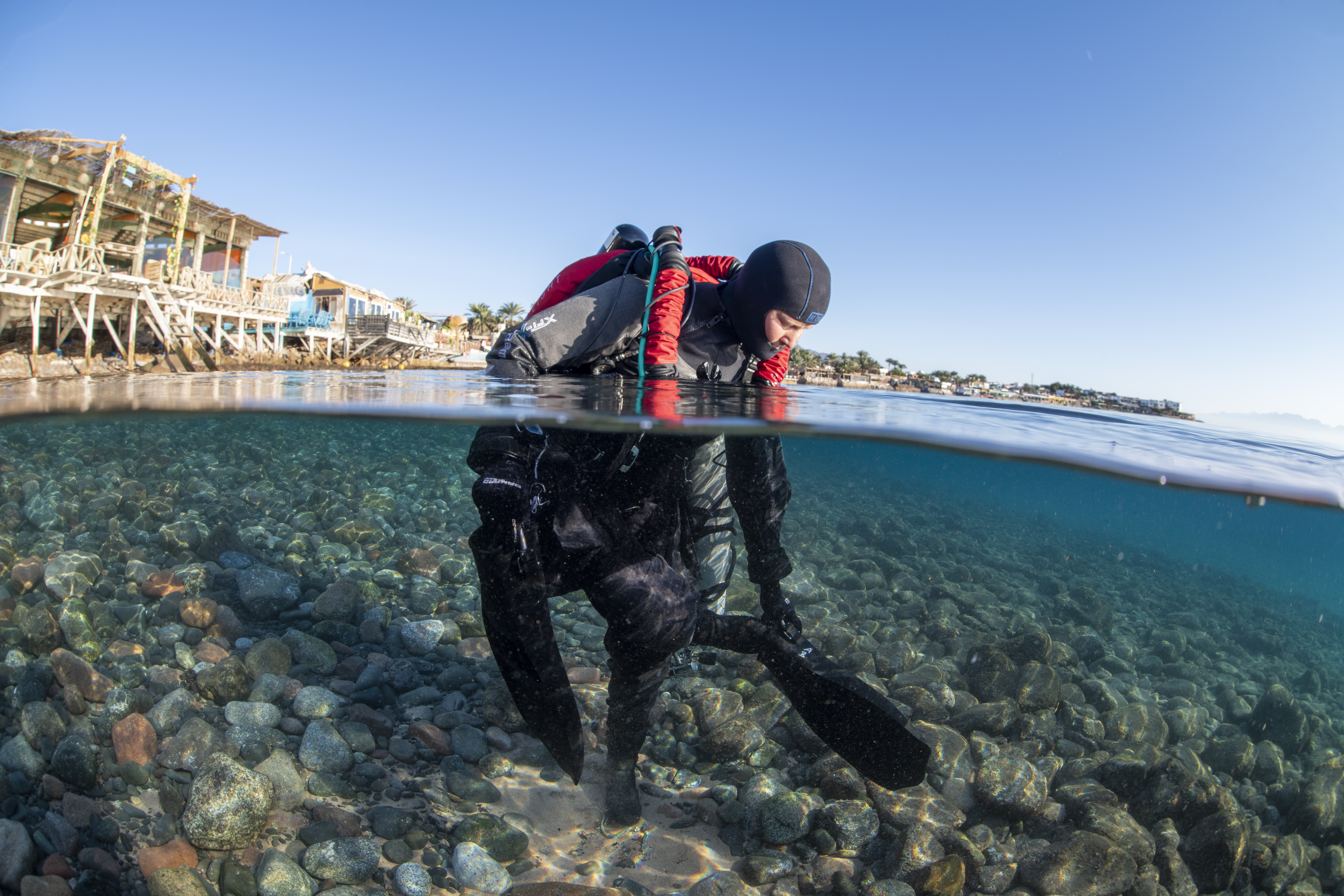
In many diving incidents, the problem starts long before anything actually goes wrong underwater.
Wrong gas situations often follow a few repeatable patterns: an old fill is used on a new dive, a cylinder is labeled incorrectly, a regulator is attached to the wrong cylinder, a gas switch happens at the wrong depth, or a diver exceeds the MOD of a high-oxygen mix.
A cylinder may be analyzed correctly but labeled incorrectly. Underwater, two stage cylinders clipped to a harness can look surprisingly similar, especially in poor visibility or stressful situations. Sometimes the final gas check gets skipped simply because everybody wants to get into the water.
A gas switch may happen deeper than originally planned. None of these situations automatically leads to an accident on its own. Combined together, however, they can create a serious problem very quickly.
Most experienced divers are not trying to complicate diving. They simply know that small checks on the surface prevent bigger problems later underwater.
Lessons from Documented Incidents
The patterns above are not theoretical. They appear repeatedly in real accident reports and incident summaries.
1) Forgotten nitrox on a deep technical dive
DAN reports that only one of 55 nitrox fatalities in its dataset was considered likely due to oxygen-toxicity seizures. The standout case involved an experienced technical diver who had filled doubles with EAN32 for a dive that was later cancelled. Weeks later, he used the same cylinders on a technical dive to around 160 feet—well beyond the MOD for EAN32. His computer profile showed a seizure during the dive.
2) A cylinder marked 100% oxygen was breathed at 95 feet
Another DAN case is brutally simple. A diver used a cylinder marked as 100% oxygen at 95 feet. When teammates questioned him, he said he had filled it with air himself. The accident analysis later determined that the tank really did contain 100% oxygen and that he died from CNS oxygen toxicity. The failure was not a mystery of physiology. It was a failure of analysis, labeling, and team intervention.
3) Key West: a gas-switch error that ended in a seizure, but not a fatality
In a 1993 incident summarized by InDEPTH, a diver on trimix mistakenly switched to oxygen instead of EAN36 during decompression. He switched at 90 feet, seized a few minutes later at 70 feet, and survived only because another diver intervened immediately and surface support responded fast. This is the classic gas-switch error: the cylinders were labeled and color-coded, but the wrong regulator still made it into the diver’s mouth.
4) Coolooli: EAN50 used as bottom gas on a 50 m wreck dive
Also summarized in InDEPTH, a highly experienced instructor trainer in Sydney mistakenly breathed his EAN50 decompression mix during a 50-meter wreck dive on the Coolooli. He convulsed and drowned 18 minutes into the dive. Post-incident analysis of the tanks showed that he had been breathing EAN50 for the duration of the dive. Experience did not protect him from a flawed gas-routing system.
5) Thunder Hole: wrong regulator, wrong cylinder, fatal oxygen convulsion
In the 1995 Thunder Hole Cave System accident, a highly experienced cave explorer mistakenly switched to EAN50 instead of EAN32 after a deep trimix dive. According to the report, the cylinders and regulators were numbered but not marked for depth, and the diver matched the regulators to the wrong cylinders during setup. The result was an oxygen convulsion at 80 feet and a fatality during decompression.
Why Gas Analysis Matters
For many divers, analyzing gas is one of the final personal checks before the dive begins.
When checking a cylinder, the diver confirms that the gas inside actually matches the planned mix. During nitrox dives, this usually means verifying oxygen percentage and confirming the maximum operating depth. In technical diving, divers may analyze several cylinders containing travel gas, bottom gas, and decompression mixes. For trimix or hypoxic mixes, divers may also need to confirm helium content and the minimum safe depth at which the gas can be breathed.
Without gas analysis, divers are left relying on assumptions, which can become risky once underwater.
That is one reason many divers no longer see a gas analyzer as optional equipment, especially when diving nitrox or trimix regularly.
A Practical Gas Analysis Workflow
A practical workflow keeps analysis, labeling, and equipment setup connected.
Calibrate the analyzer before use.
Analyze one cylinder at a time.
Write down the actual gas, not the planned gas.
Mark the MOD immediately.
Attach and verify the intended regulator.
Keep the regulator and cylinder paired.
Do not move to the next cylinder until the current one is analyzed, labeled, and staged.
Labeling Must Be Clear and Redundant
A cylinder label is life-support information, not paperwork. At minimum, it should show the actual mix, MOD, date, and the initials of the diver who analyzed it.
For technical dives, large MOD markings, neck labels, and regulator identification make the correct gas easier to recognize and the wrong gas easier to question.
Before Entering the Water
Experienced divers often follow a simple routine before every dive:
Analyze the gas
Check the MOD
Verify the cylinder label
Confirm planned gas switches
Trace each regulator back to the verified cylinder
Keep each regulator-cylinder pair together after analysis
Double-check stage cylinders
Small habits like these help reduce confusion underwater, especially during deeper or more demanding dives.
Why Divers Still Repeat These Checks
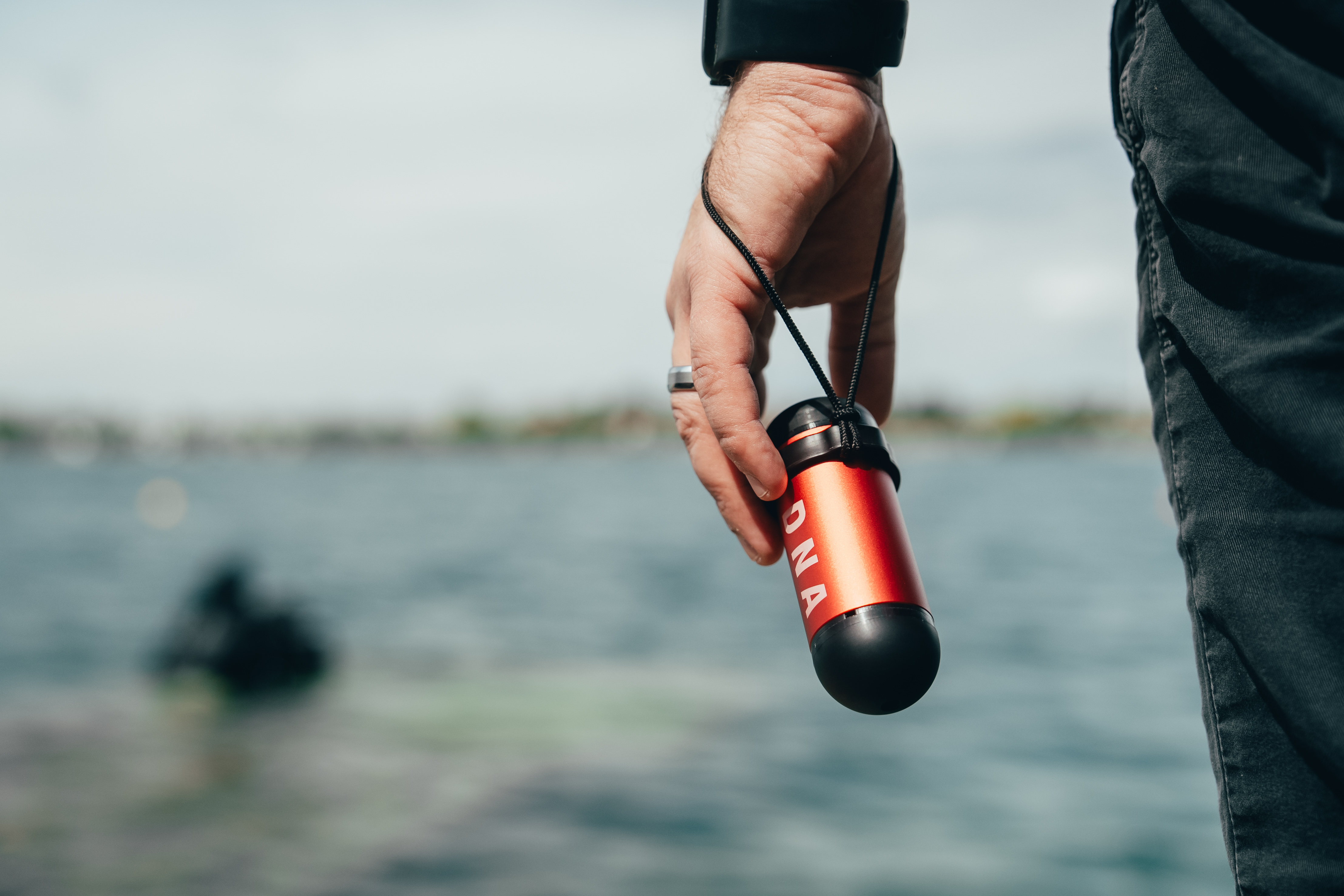
Even experienced divers make mistakes. Fatigue, stress, time pressure, distraction, or poor visibility can all affect decision-making underwater. Technical diving environments can make those situations even more demanding.
Many gas-related incidents actually begin long before the dive starts. A rushed preparation, incomplete labeling, or a skipped verification step on the surface may only become a problem later underwater.
Documented incidents show that wrong-gas accidents are rarely caused by mysterious equipment failures. They often involve a broken verification chain: a gas was not personally analyzed, a label was trusted without checking, a regulator was connected to the wrong cylinder, or a gas switch happened before the team fully confirmed it.
Experienced dive teams understand this very well, which is why the same procedures get repeated dive after dive.
- Analyze the gas.
- Verify the label.
- Confirm the MOD.
- Check the cylinder once more before entering the water.
After hundreds of dives the process may feel repetitive, but repetition is often what prevents mistakes.
Modern Gas Analysis in Diving
Years ago, gas analysis mostly meant checking oxygen content in nitrox cylinders.
Today, diving looks a little different. Technical divers regularly verify helium content in trimix blends, while some dive operations also check breathing gas quality and possible contamination.
Modern analyzers can combine several functions into one device, making gas analysis simpler and more practical during everyday diving operations.
Devices such as the ECHO gas analyzer allow divers to measure oxygen, determine helium content, and check for possible carbon monoxide contamination in breathing gas. Compatible Divesoft analyzers and Divesoft – Cylinder Labeling / Label Print can also help close the gap between analysis and labeling by turning verified gas data into clear cylinder labels.
For instructors, dive centers, and technical divers handling multiple cylinders every day, this can make gas organization noticeably easier.
Why Simple Procedures Matter
Most wrong gas situations can be prevented.
Over the years, divers have developed routines and verification procedures specifically to reduce these risks. Gas analysis, clear labeling, team verification, and careful dive planning all play an important role. Before every gas switch, verify depth, confirm MOD, and trace the regulator back to the correct cylinder before breathing from it. If a label, MOD marking, regulator tag, computer setting, or teammate check does not match the plan, stop and resolve the mismatch first.
Technology continues to evolve, but equipment alone does not prevent accidents. The diver’s mindset still matters most.
Taking an extra moment to verify the gas and confirm the plan may sound simple, but small habits like these often prevent serious mistakes underwater.
Diving Has Changed, but the Principle Hasn't
Modern diving equipment gives divers far more information and support than it did in the past. Dive computers, rebreathers, and gas analyzers have become a normal part of diving for many divers today.
Technology has changed diving dramatically over the years.
The habit of checking your gas before a dive has not.
Reference: Divesoft trimix analyzers
Reference: Divesoft Cylinder Labeling / Label Print
Reference: CCR Liberty manual
Author: Divesoft